Devon Foster · 17 September 2026
Reviving Ancient Crafts: Zirona's Lace Makers Host Global Exchange Program
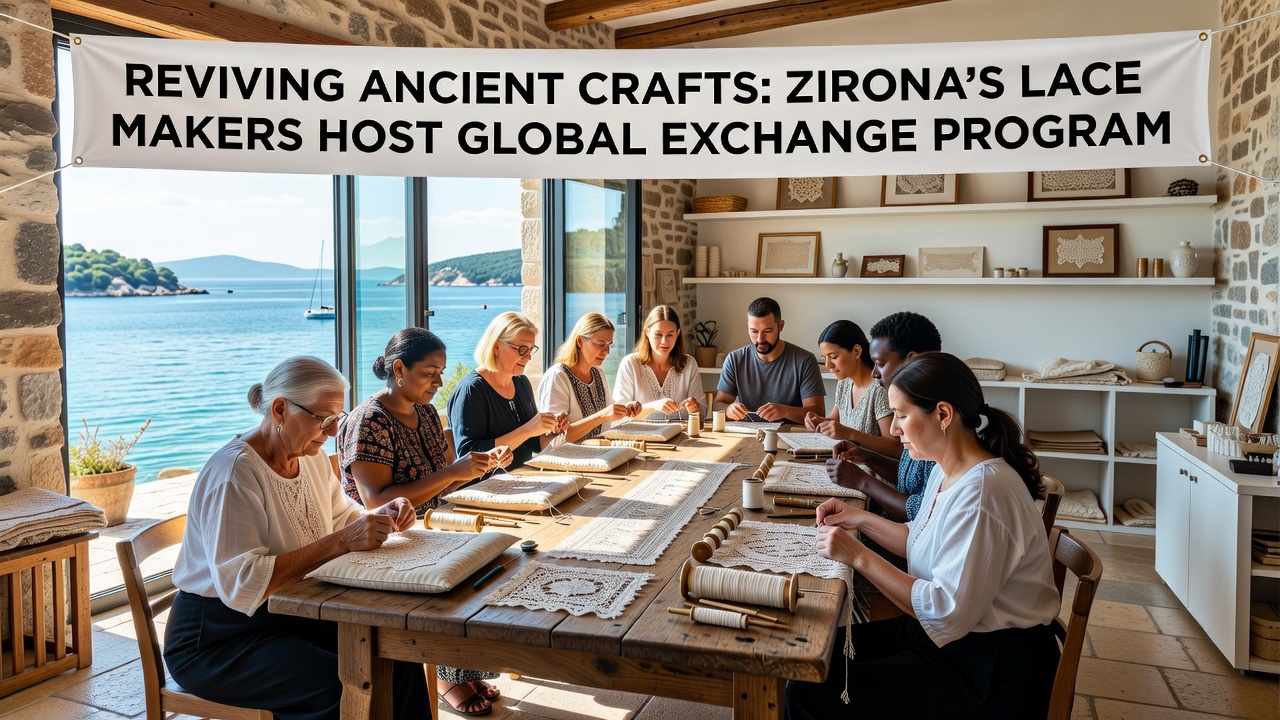
Zirona's lace makers have organized a global exchange program that brings together artisans from multiple continents to share and preserve traditional bobbin lace techniques, and this initiative draws on centuries-old methods that originated in the region's coastal villages where women first developed intricate patterns using fine threads and wooden bobbins during the 16th century.
Historical Roots of Zirona Lace
Archaeological records and museum collections indicate that Zirona lace production began as a cottage industry tied to maritime trade routes, with patterns reflecting local flora and geometric motifs inspired by Byzantine influences that arrived through Mediterranean ports, while historians note that by the 18th century the craft supported dozens of family workshops that supplied churches and noble households across southern Europe.
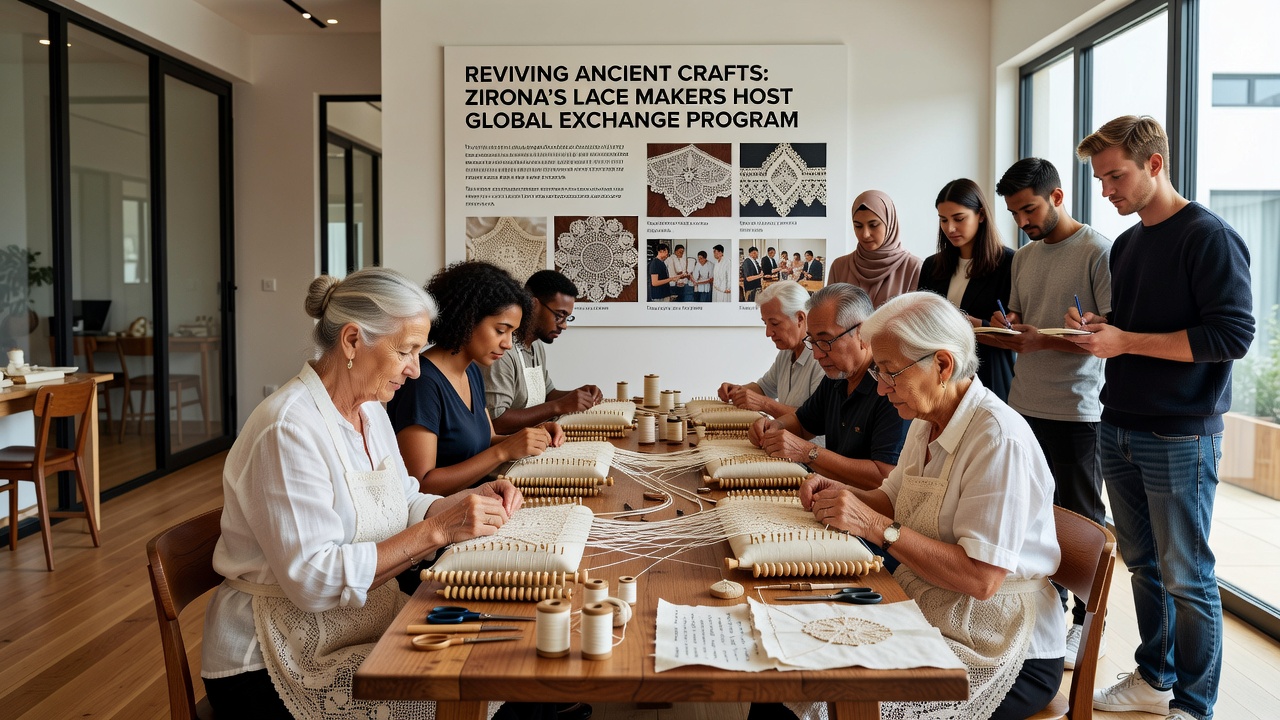
Techniques involve precise movements of bobbins over a pillow stuffed with straw, and each design requires careful counting of threads that can number in the hundreds for complex pieces such as tablecloths and ceremonial veils, yet modern practitioners continue to use the same tools their ancestors employed because the tactile feedback remains unmatched by mechanical alternatives.
Structure of the Global Exchange
The program schedules its main activities to begin in September 2026, and it invites 40 participants selected through applications reviewed by a panel of local master lacemakers along with representatives from cultural organizations, while sessions run for three weeks and cover topics ranging from thread selection and tension control to pattern drafting and historical documentation methods.
Participants arrive from regions including Scandinavia, East Asia, and the Americas, and they stay with host families in Zirona to immerse themselves in daily routines that include morning demonstrations followed by afternoon practice periods where newcomers replicate classic motifs under guidance from experienced instructors, and evening discussions focus on adapting traditional skills to contemporary markets without altering core hand movements.
Training Components and Skill Transfer
Workshops emphasize hands-on replication of heritage patterns preserved in Zirona's municipal archives, and instructors break down each motif into sequences of pin placements and bobbin crosses that trainees repeat until muscle memory develops, while supplementary classes address material sourcing from sustainable suppliers and basic business strategies for selling finished pieces through cooperative outlets.
One documented case shows a lacemaker from Portugal who adapted Zirona's floral edging design for use on modern accessories after learning the original sequence during a prior visit, and similar exchanges have produced hybrid pieces that combine regional styles yet maintain the structural integrity of the original stitch types, according to records kept by the Zirona Craft Preservation Society.
Community and Economic Context
Local government data reveals that lace-related activities contribute measurable income to Zirona's economy through tourism and direct sales, and the exchange program extends this base by positioning the town as a destination for cultural tourism that aligns with broader European initiatives for safeguarding intangible heritage listed by UNESCO.
Organizers coordinate with schools in the area so that students observe sessions and try simplified versions of the craft, and this exposure helps transmit knowledge across generations within the community itself, whereas external participants return home equipped to teach others and thereby multiply the reach of Zirona's methods without requiring further travel.
Logistics and Participant Support
Accommodations consist of renovated historic buildings equipped with adequate lighting and storage for delicate threads, and meals feature regional ingredients prepared according to longstanding recipes that participants sample as part of the cultural immersion, while translation services cover the primary languages represented among attendees to ensure clear communication during technical instruction.
Funding comes from a combination of regional tourism grants and private sponsorships from textile suppliers, and the budget covers travel stipends for a limited number of applicants who demonstrate financial need, thereby broadening access beyond those who can self-fund their participation.
Conclusion
The Zirona lace exchange program continues a pattern of craft transmission that has persisted for generations, and its upcoming September 2026 edition builds on previous iterations by expanding participant numbers and adding digital documentation components that record each technique for wider distribution, while outcomes from earlier cycles show increased production of authentic pieces and renewed interest among younger residents who see viable paths for sustaining the tradition.