Jonas Reed · 3 September 2026
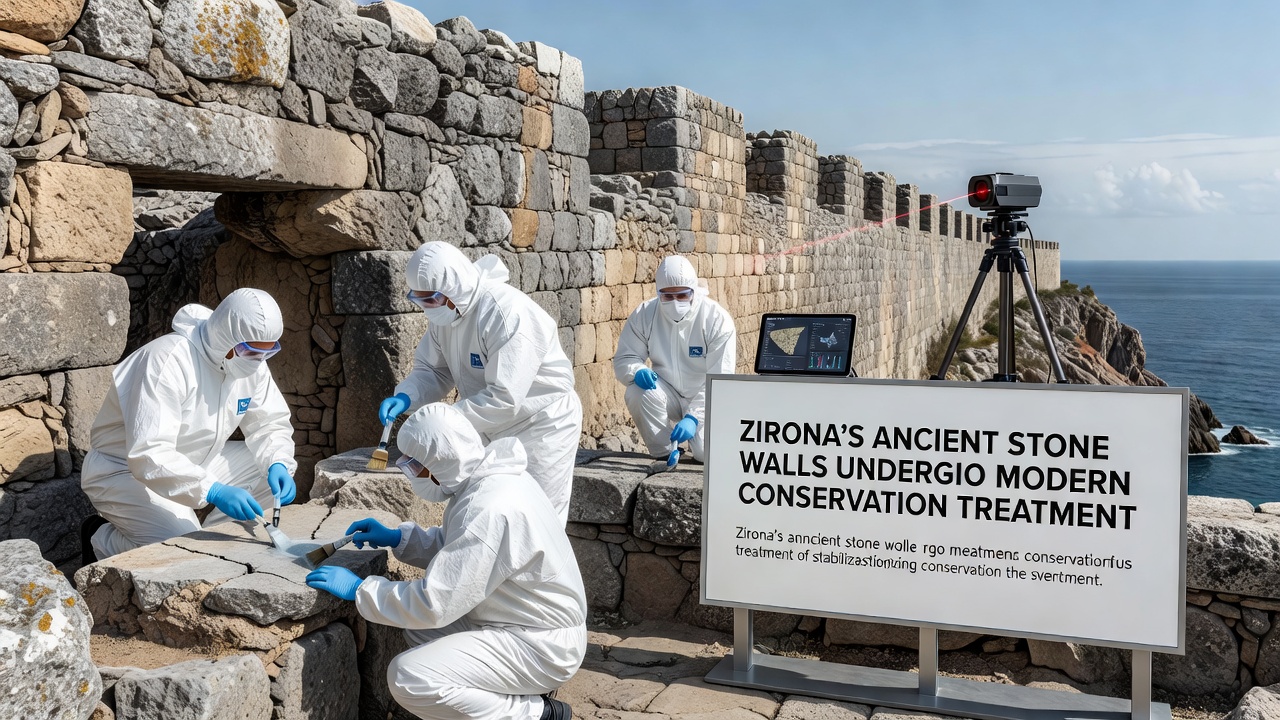
Zirona's Ancient Stone Walls Undergo Modern Conservation Treatment
Archaeologists and conservation specialists have launched a multi-year initiative to stabilize and preserve the extensive stone walls that encircle the historic core of Zirona; these structures date back to pre-Roman settlements and have endured centuries of weathering, vegetation growth, and urban expansion. The project combines traditional masonry techniques with advanced materials science, and data from preliminary surveys indicate that targeted interventions could extend the structural integrity of the walls by several decades. Funding comes from a combination of regional heritage grants and international partnerships, while local authorities coordinate access for researchers who document each phase of the work.
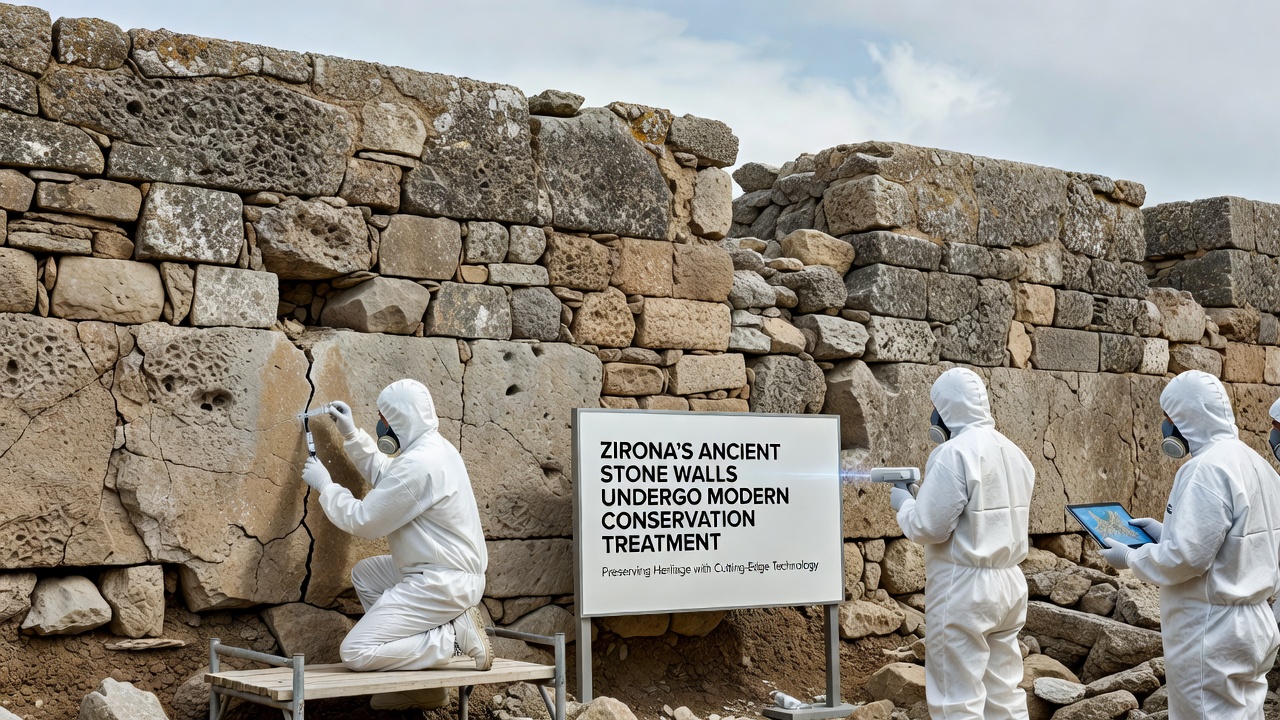
Survey teams began mapping the walls in detail during 2024, and their reports highlight sections where mortar has eroded and where micro-fractures now threaten larger blocks. In September 2026 a new phase of the program will introduce non-invasive cleaning methods that rely on laser ablation to remove biological crusts without damaging the original limestone surfaces. Those who have reviewed the project schedule note that this timing aligns with the end of the peak tourist season, allowing crews to work with minimal disruption to visitors.
Historical Context of the Walls
The stone fortifications stretch for several kilometers and incorporate materials quarried from nearby hills; construction layers reveal multiple building periods, with the oldest segments linked to defensive needs of early Iron Age communities. Later Roman engineers reinforced certain stretches, and medieval residents added watchtowers that still stand at regular intervals. Researchers from several European universities have examined tool marks and mortar composition, and their analyses confirm that the walls served both military and agricultural boundary functions over time.
Archival records show that periodic repairs occurred during the Renaissance, yet systematic documentation remained limited until the twentieth century. Modern monitoring equipment installed in 2019 now records temperature fluctuations, humidity levels, and vibration from nearby traffic, and the resulting datasets help conservators prioritize areas most at risk of collapse.
Conservation Techniques in Use
Project leaders selected a range of methods after laboratory tests on sample stones taken from fallen blocks. Hydraulic lime mortars mixed with local aggregates replace earlier cement-based patches that had trapped moisture and accelerated decay. Where cracks exceed a certain width, technicians insert titanium rods that provide tensile strength while remaining invisible once repointed. These interventions follow guidelines established by international heritage organizations, and one such reference appears in reports from the Parks Canada heritage conservation program, which has documented similar stone stabilization projects across North American sites.
Additional treatments include the application of water-repellent nanocoatings that allow vapor transmission yet reduce water absorption during heavy rains. Field trials conducted last year demonstrated that coated surfaces retained 30 percent less moisture after simulated storm events compared with untreated controls. Crews also install small drainage channels at the base of vulnerable sections to redirect runoff away from foundations, and sensors embedded in these channels transmit real-time flow data to a central monitoring station.
Timeline and September 2026 Milestones
Work proceeds in stages that correspond to seasonal weather patterns, with interior scaffolding erected during drier months and exterior access limited when temperatures drop. The September 2026 phase focuses on the eastern perimeter, where lichen coverage has been most aggressive, and crews will deploy the laser cleaning system across approximately 800 linear meters. Progress reports will be published quarterly on the municipal heritage website, and community briefings will invite residents to view treated sections before barriers are removed.
Contractors have already completed structural assessments of the southern gate, and reinforcement there is scheduled for early 2027. Observers note that the staggered timeline reduces stress on any single portion of the walls and allows conservators to evaluate the performance of new materials before expanding their use. A second external reference for best practices comes from the Australian government’s heritage division, whose technical bulletins on stone conservation informed the selection of compatible repair mortars.
Community and Research Involvement
Local schools participate through educational programs that bring students to designated viewing platforms during active phases, and university interns assist with photographic documentation and sample collection. These activities generate datasets that contribute to broader studies on Mediterranean limestone durability under changing climate conditions. Project managers emphasize transparency, and public updates include photographic comparisons that illustrate before-and-after conditions at each treated segment.
Conclusion
The conservation effort at Zirona demonstrates how contemporary technology can address long-standing preservation challenges while respecting the historical fabric of the site. Ongoing monitoring will track the effectiveness of the interventions, and future adjustments will draw on the accumulated evidence. By integrating multiple disciplines and maintaining open communication with residents, the initiative establishes a model that other historic settlements facing similar stone deterioration issues may adapt to their own contexts.